
- January 14, 2024
- Posted by: SGC
- Category: News
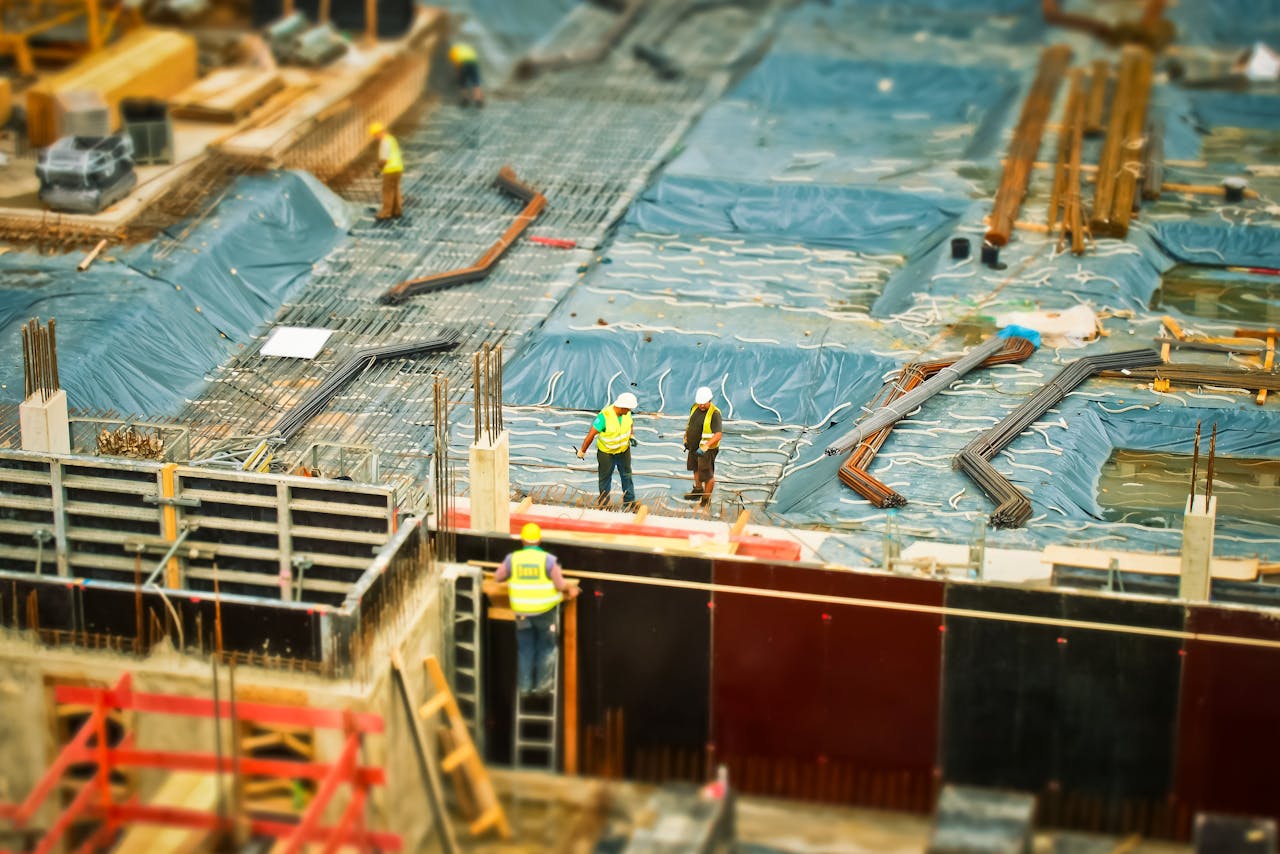
Safety on a construction site is paramount. With numerous potential hazards, it’s crucial to implement rigorous safety protocols to protect workers and ensure the smooth progress of projects. This blog will explore best practices and guidelines to ensure safety on construction sites, emphasizing the importance of proactive measures, training, and a safety-first culture.
- Importance of Safety on Construction Sites
Construction sites are inherently dangerous, with heavy machinery, high elevations, and various hazardous materials. Ensuring safety on these sites is not just about compliance with regulations but also about protecting the lives and well-being of workers. The financial implications of accidents, including medical expenses, legal fees, and lost productivity, further underscore the need for stringent safety measures.
- Developing a Safety Plan
A comprehensive safety plan is the foundation of a safe construction site. This plan should include:
- Risk Assessment: Identify potential hazards and assess the risk associated with each.
- Safety Protocols: Develop protocols to mitigate identified risks, including equipment handling procedures, emergency response plans, and safety training programs.
- Regular Reviews: Continuously review and update the safety plan to address new hazards and improve existing protocols.
- Safety Training and Education
Education and training are critical to ensuring that workers are aware of the risks and know how to respond appropriately. Key components include:
- Initial Training: Provide thorough training for all new hires, covering general safety practices and site-specific hazards.
- Ongoing Training: Regularly update training to address new equipment, techniques, and regulations.
- Specialized Training: Offer specialized training for tasks with higher risks, such as working at heights or handling hazardous materials.
- Personal Protective Equipment (PPE)
Personal Protective Equipment (PPE) is essential for protecting workers from injuries. Key PPE includes:
- Helmets: To protect against head injuries from falling objects.
- Safety Glasses and Face Shields: To prevent eye injuries.
- Gloves: To protect hands from cuts, abrasions, and chemical exposure.
- Safety Harnesses: For workers operating at heights.
- Steel-Toed Boots: To protect feet from heavy objects and punctures.
- Equipment Safety
Proper use and maintenance of equipment are crucial to preventing accidents. Guidelines include:
- Regular Inspections: Conduct routine inspections of all equipment to ensure it is in good working condition.
- Operator Training: Ensure that only trained and certified personnel operate heavy machinery.
- Safety Guards: Use safety guards and barriers to protect workers from moving parts and other hazards.
- Hazard Communication
Effective communication is key to preventing accidents. This includes:
- Signage: Use clear and visible signs to indicate hazards, mandatory PPE, and emergency exits.
- Meetings: Conduct regular safety meetings to discuss potential hazards, safety updates, and incident reports.
- Reporting Systems: Establish a system for workers to report hazards and near-misses without fear of retaliation.
- Fall Protection
Falls are one of the leading causes of injuries on construction sites. Implementing fall protection measures is essential:
- Guardrails: Install guardrails around open edges, holes, and stairwells.
- Safety Nets: Use safety nets where guardrails are not feasible.
- Harness Systems: Provide and ensure proper use of harness systems for workers operating at heights.
- Health and Wellness
Promoting the overall health and wellness of workers contributes to a safer work environment:
- Rest Breaks: Ensure workers take regular breaks to prevent fatigue.
- Hydration: Provide easy access to drinking water to prevent dehydration.
- Health Monitoring: Conduct regular health check-ups and provide resources for mental health support.
- Emergency Preparedness
Being prepared for emergencies can significantly reduce the impact of accidents:
- Emergency Exits: Clearly mark and keep emergency exits unobstructed.
- First Aid Kits: Maintain well-stocked first aid kits and ensure workers know their locations.
- Emergency Drills: Conduct regular drills for fire, evacuation, and other emergency scenarios.
- Building a Safety Culture
Creating a culture of safety requires commitment from all levels of the organization:
- Leadership Commitment: Management must prioritize safety and lead by example.
- Worker Involvement: Engage workers in safety planning and decision-making processes.
- Recognition Programs: Implement programs to recognize and reward safe behaviors.
Safety on construction sites is non-negotiable. By implementing comprehensive safety plans, providing thorough training, ensuring proper use of PPE, and fostering a culture of safety, construction companies can protect their workers and create a more efficient and productive work environment. Remember, safety is everyone’s responsibility, and a proactive approach can make all the difference.
Recent Blog
-
Overcoming Common Safety Challenges on Construction Sites
What is this highly valuable asset? Its own people. Says Morgan Fraud, the author of The Thinking Corporation, “Given that we are all capable of contributing new ideas, the question becomes how do you successfully generate, capture, process and implement ideas?”
February 16, 2024 Read more -
Ensuring Safety on a Construction Site: Best Practices and Guidelines
The teams focused their efforts on a few of the highest-value S&OP levers in order to review the current planning process, identify gaps in the planning infrastructure and analytically understand demand and supply variability.
January 14, 2024 Read more