- February 16, 2024
- Posted by: SGC
- Category: News
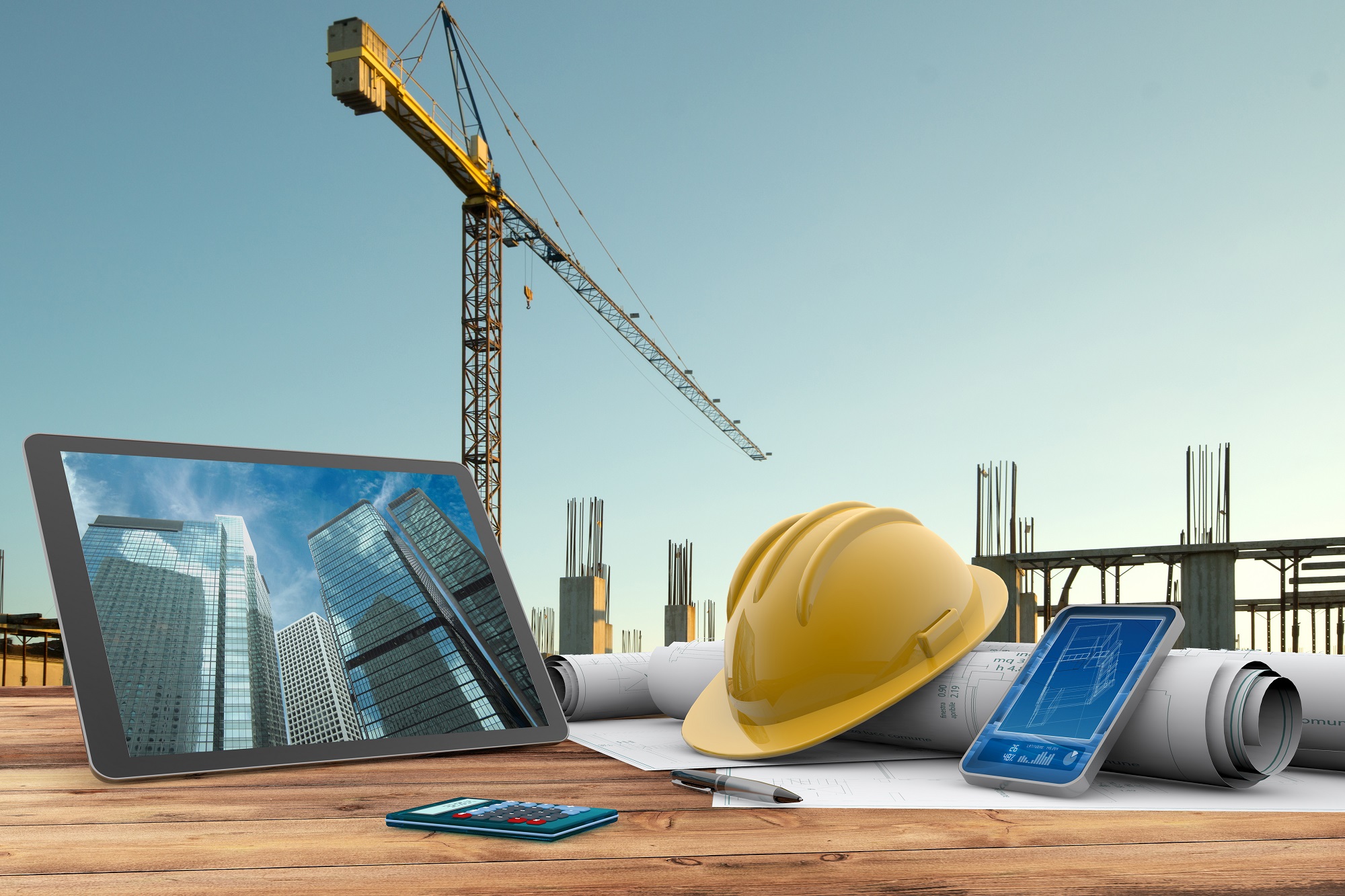
Construction sites are bustling environments where safety challenges are ever-present. Despite stringent regulations and safety measures, accidents still occur, often due to common but overlooked hazards. This blog will discuss some of these prevalent safety challenges and offer practical solutions to overcome them, ensuring a safer workplace for all construction workers.
- Common Safety Challenges on Construction Sites
Construction sites are rife with potential hazards, including:
- Falls: Leading cause of fatalities in construction, often from ladders, scaffolding, and roofs.
- Struck-by Incidents: Accidents involving moving vehicles, falling objects, or equipment.
- Electrocution: Contact with live wires or faulty electrical systems.
- Caught-in/between: Accidents where workers are caught in or compressed by equipment or collapsing structures.
- Addressing Fall Hazards
Falls can be significantly reduced through:
- Proper Ladder Usage: Ensure ladders are stable, placed on level ground, and used according to manufacturer guidelines.
- Scaffold Safety: Scaffolds must be erected and inspected by qualified personnel, with guardrails and toeboards in place.
- Fall Arrest Systems: Use harnesses, lanyards, and anchor points for workers at heights. Regularly inspect and maintain these systems.
- Preventing Struck-by Incidents
Struck-by incidents can be minimized through:
- Vehicle Safety: Designate safe zones for pedestrians and vehicles, use spotters, and ensure vehicles have proper lighting and warning signals.
- Tool Tethering: Secure tools when working at heights to prevent them from falling.
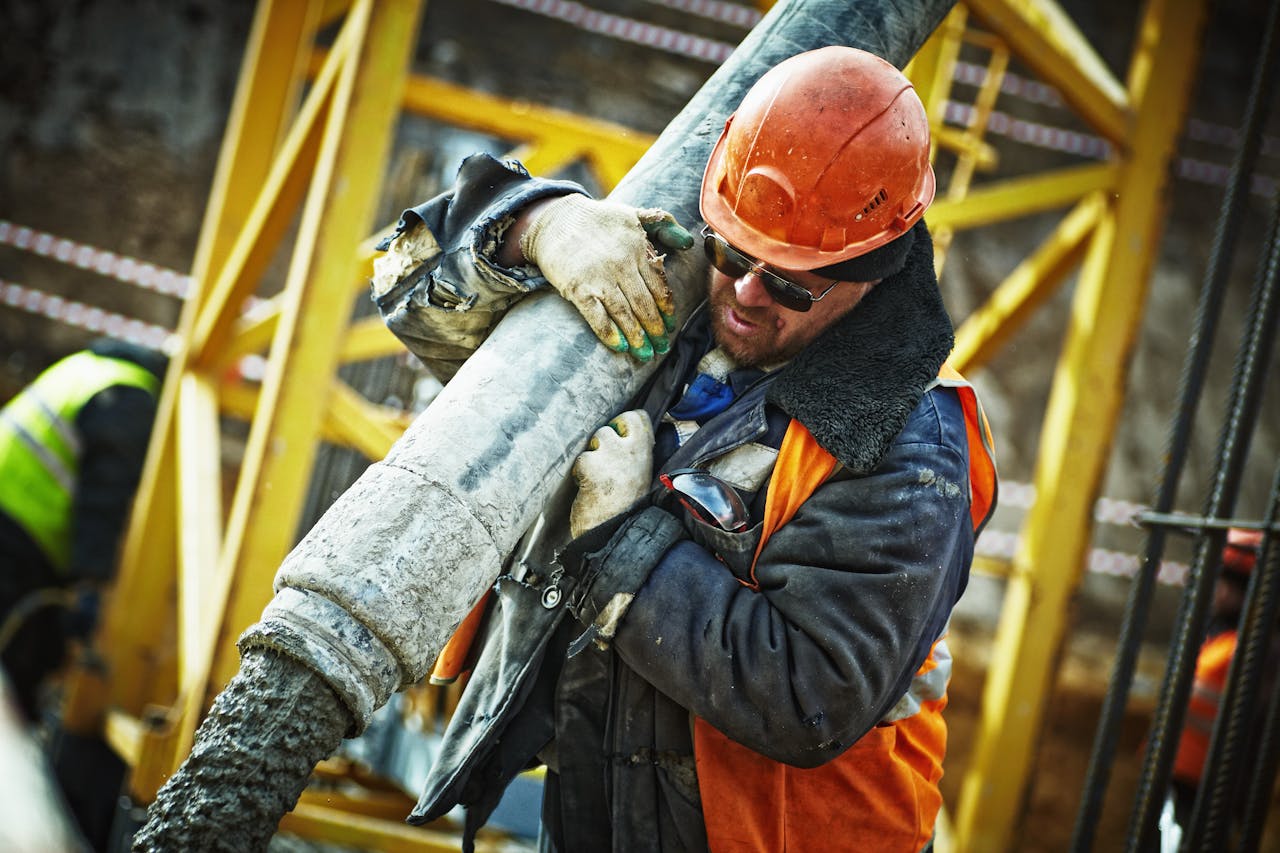
- Personal Protective Equipment (PPE): Require hard hats and high-visibility clothing to protect and make workers more visible.
- Mitigating Electrocution Risks
Electrocution risks can be reduced by:
- Electrical Safety Training: Train workers to recognize and avoid electrical hazards.
- Ground-Fault Circuit Interrupters (GFCIs): Use GFCIs to prevent electrical shocks.
- Safe Work Practices: De-energize electrical equipment before maintenance, and use lockout/tagout procedures to ensure equipment remains de-energized.
- Preventing Caught-in/between Accidents
To prevent caught-in/between accidents:
- Trench Safety: Use protective systems like trench boxes and shoring when working in trenches.
- Equipment Safety: Ensure machinery has proper guarding and that workers are trained to keep clear of moving parts.
- Site Organization: Keep work areas organized to prevent workers from being caught between materials and equipment.
- Enhancing Communication and Training
Effective communication and training are crucial for safety:
- Toolbox Talks: Conduct regular safety briefings to discuss specific hazards and safety measures.
- Clear Signage: Use signs to warn of hazards, indicate PPE requirements, and guide workers.
- Accessible Training: Provide training materials in multiple languages and formats to ensure all workers understand safety protocols.
- Promoting a Safety Culture
Building a strong safety culture involves:
- Leadership Engagement: Leaders should actively participate in safety programs and demonstrate commitment to safety.
- Worker Involvement: Encourage workers to report hazards and participate in safety planning.
- Recognition Programs: Reward safe behavior to reinforce the importance of safety practices.
- Utilizing Technology for Safety
Technology can significantly enhance safety on construction sites:
- Drones: Use drones to inspect hard-to-reach areas and monitor site conditions.
- Wearable Technology: Equip workers with wearable devices that monitor vital signs and detect hazards like gas leaks.
- Safety Apps: Implement apps for incident reporting, safety checklists, and real-time communication.
- Emergency Preparedness and Response
Being prepared for emergencies is vital:
- Emergency Plans: Develop and communicate emergency response plans for different scenarios.
- First Aid Training: Train workers in first aid and CPR to provide immediate assistance if needed.
- Regular Drills: Conduct emergency drills to ensure workers know how to respond in case of an incident.
- Continuous Improvement
Safety is an ongoing process that requires continuous improvement:
- Incident Analysis: Investigate accidents and near-misses to identify root causes and implement corrective actions.
- Feedback Loops: Create channels for workers to provide feedback on safety practices and suggest improvements.
- Regular Audits: Conduct safety audits to identify gaps and ensure compliance with safety standards.
Overcoming safety challenges on construction sites requires a multifaceted approach. By addressing common hazards, enhancing communication, promoting a safety culture, leveraging technology, and preparing for emergencies, construction companies can create a safer work environment. Remember, safety is not just a regulatory requirement but a moral obligation to protect the lives and well-being of workers. Let’s commit to making safety a top priority on every construction site.
Recent Blog
-
Overcoming Common Safety Challenges on Construction Sites
What is this highly valuable asset? Its own people. Says Morgan Fraud, the author of The Thinking Corporation, “Given that we are all capable of contributing new ideas, the question becomes how do you successfully generate, capture, process and implement ideas?”
February 16, 2024 Read more -
Ensuring Safety on a Construction Site: Best Practices and Guidelines
The teams focused their efforts on a few of the highest-value S&OP levers in order to review the current planning process, identify gaps in the planning infrastructure and analytically understand demand and supply variability.
January 14, 2024 Read more